From the Editor

Fallen Tree at Bluegill Pond | by The Woodlands Outdoor Pulse
If you’ve ever caught a glimpse of a round, shuffling creature ambling across your yard at dusk, this week’s Nature Note is for you. We’re taking a closer look at one of The Woodlands’ most misunderstood neighbors—the Virginia opossum—and uncovering how this ancient marsupial is quietly working overtime to keep our yards, gardens, and ecosystems healthier than we might imagine.
Nature Note
Virginia Opossum (Didelphis virginiana)

In The Woodlands, opossums are a constant, though misunderstood, neighbor. As North America’s only marsupial, the Virginia opossum (Didelphis virginiana) is a biological wonder that has outlasted the dinosaurs. Didelphis means “two wombs” and Virginiana refers to the state of Virginia where the opossum was first observed by early English colonists. Opossum is an Algonquin Indian name meaning "white animal."
While specialized species often struggle with suburban sprawl, the opossum has used its unique primitive traits to become an advanced survivor. Here are six facts about this underappreciated neighbor:
(1) Precision Pest Control
Tick Suppression: One of the most significant ecological services the opossum provides to Southeast Texas is the active suppression of tick populations. Opossums are meticulous groomers; they treat their own fur like a foraging ground. When they encounter a tick, instead of brushing it off, they eat it. Research suggests that one neighborhood opossum can eliminate up to 5,000 ticks in a single season. In our humid climate, where these parasites are primary vectors for serious illnesses, the opossum stands as a critical line of defense.
Snake Management: For many residents of The Woodlands, the sight of a copperhead in the garden is terrifying. The opossum, however, views these venomous snakes as a meal. Opossum blood contains a peptide known as the Lethal Toxin Neutralizing Factor (LTNF), which binds to and neutralizes the venom of nearly all North American pit vipers. This biochemical superpower allows opossums to hunt and consume local venomous snakes with minimal risk.
Garden Guardian: While they are often blamed for raiding gardens, opossums are actually protecting your plants. They are primary predators of the garden vandals that plague Montgomery County, including snails, slugs, cockroaches, and beetles. They also compete with and occasionally hunt mice and rats that try to enter your home.
(2) Neighborhood Sanitation and Carrion Cleanup
As generalist scavengers, opossums act as the informal sanitation crew of The Woodlands. They consume overripe fallen fruit and carrion (roadkill or animals that died of natural causes). By removing this organic waste, opossums prevent the buildup of bacteria and discourage the presence of more problematic, aggressive scavengers.
Opossums are also one of the least likely mammals to carry the rabies virus because of their unusually low basal body temperature, which typically ranges between 94°F and 97°F. This thermal environment is too cold for the rabies virus to thrive and replicate efficiently. While they may put on a fierce defensive show, they are statistically safer neighbors than raccoons, skunks, or bats.
(3) An Anatomy Built for the Pineywoods Ecoregion
The physical traits of the opossum are specifically beneficial for navigating the towering hardwoods and dense undergrowth of The Woodlands area.

(4) The Short Pregnancy and the Pouch Journey
The breeding season for opossums in The Woodlands begins as early as late December or January. During this time, you might hear a strange clicking sound at night—this is the male’s vocalization to attract a mate.
Female opossums’ reproductive cycles are highly efficient. After a gestation of 11 to 13 days, a female can birth over 20 joeys, each the size of a honeybee. These joeys must crawl to the mother's pouch, where only 13 teats are available. The first 13 joeys to latch for seven weeks survive, ensuring that only the strongest continue the lineage.

(5) The "Playing Possum" Reflex: A Stress-Induced Coma
When the opossums’ layered defense of hissing and swaying fails, they may enter a state of tonic immobility. This "playing possum" is an involuntary physiological state—a catatonic response to extreme stress. Their heart rate slows, they become limp, and their anal glands emit a green fluid that mimics the scent of decay. Most predators, instinctively driven to hunt live prey, will lose interest in what they mistake for a carcass, allowing the opossum to recover once the threat has passed.
(6) Winter in The Woodlands: Sharing the Warmth
January and February are the most dangerous months for our local opossums. Unlike many mammals, they do not hibernate and possess very little body fat or insulation. During freezing temperatures, their hairless ears and tails are highly susceptible to frostbite.
To survive, they seek out warm places, often using the following spots:
attics and chimneys;
voids beneath decks and porches; and
garages and sheds, specifically seeking out stored boxes and synthetic insulation to line their dens.
The Seven-Inch Rule: If you encounter an opossum during these months, look closely. Any young opossum smaller than seven inches from nose to rump (excluding the tail) is too young to survive on its own.
If you find an orphaned or injured animal—or if you find a deceased mother on the road—check the pouch for live young. For assistance, contact Friends of Texas Wildlife. They are the only permitted wildlife rescue group in Montgomery County equipped for this specialized triage.

The opossums in The Woodlands play a vital role in maintaining the ecological balance of our Pineywoods ecoregion. By shifting our perspective and seeing them not as nuisances, but as biological specialists and protectors of our yards, we can better coexist.
Want a closer look? Go visit Penny the opossum, one of many animal ambassadors at the Spring Creek Greenway Nature Center. Find out more about this local gem in the Park Pocket below.
Park Pocket
Spring Creek Greenway Nature Center

Spring Creek Greenway Nature Center offers a welcoming blend of education and outdoor adventure that’s perfect for families looking to explore the great outdoors close to The Woodlands. The nature center features interactive exhibits, live animal ambassadors, a children’s corner, and seasonal programs that bring learning about local plants, wildlife and conservation to life for all ages. Behind the center, miles of scenic trails and several connected preserves invite visitors to hike, birdwatch, fish at Bluegill Pond, or simply enjoy a picnic surrounded by nature’s beauty. With opportunities for guided nature walks, photography, art, and volunteer projects, this expansive greenway is a wonderful destination for families from The Woodlands seeking both relaxation and meaningful experiences in nature.


Community Corner

Critter Chat | January 30 at 10 a.m.
Spring Creek Greenway Nature Center, 1300 Riley Fuzzel Rd
Stop by the Nature Center to listen to a member of our Animal Care Staff give a chat about one of our animal ambassadors!
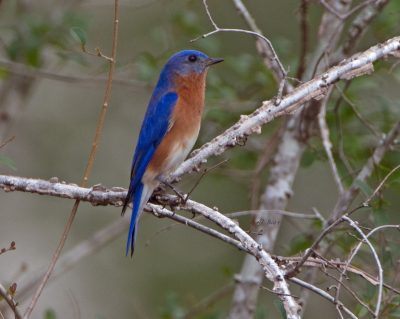
Birding Hike | January 31 at 9:30 a.m.
Spring Creek Greenway Nature Center, 1300 Riley Fuzzel Rd
Join our resident aviculturist for a birding hike around the preserve! Suitable for the whole family. Don’t forget your binoculars!
Adventure Activity
Trolley Naming Contest
The Woodlands Township is asking residents to come up with nature-themed names for six new trolleys. Let’s help this week by going on a nature name hunt in your neighborhood or a local park. As a family, notice the trees, waterways, animals, and seasonal details that make The Woodlands feel like home—then brainstorm nature-inspired names that could roll through town on our new trolleys. Talk about how George P. Mitchell envisioned a community shaped by nature, and let that guide your ideas (think forests, creeks, native plants, or local wildlife). When you’re ready, submit up to three name ideas per resident starting January 20—kids can participate with a parent or guardian helping fill out the form. Bonus adventure: mark your calendar to vote on finalist names February 10–20 and see which ideas make the final ride!

This newsletter provides information about the local ecosystem and resources to help families spend more time outside in nature in and around The Woodlands, Texas.
Have a recommendation for us to include in a future issue? Reply to this email and let us know!