From the Editor

Egyptian geese at Forest Lake Park | Photo by The Woodlands Outdoor Pulse
This week, we’re taking a closer look at the waterfowl we see around the ponds and waterways in The Woodlands. From familiar mallards to the unexpected Egyptian goose, the lineup changes with the seasons in a spectacle we are calling The Duck Shuffle. Even the most ordinary neighborhood pond can become a front-row seat to migration, nesting, and wildlife surprises. Grab your binoculars, bring the kids, and see if you can spot which visitors are just passing through—and which ones are sticking around for good.
A quick reminder: feeding ducks can harm their health, pollute our ponds, and disrupt their natural foraging behaviors. Let’s enjoy watching our waterfowl thrive by letting them find their own food.
See you on the pathways.
Nature Note
Not All “Ducks” Are Ducks: Meet The Woodlands’ Waterfowl
If you spend some time around ponds in The Woodlands, you’ll notice that everything floating on the water is not necessarily a duck.
What we casually call “ducks” are actually part of a larger, more interesting group called waterfowl. And once you start spotting the differences, your everyday pond walk turns into a full-on wildlife safari.
Citizen scientists in The Woodlands have identified 29 different species of waterfowl in our area. Read on for some of the highlights.
🦆 The Dabblers (Your Classic Ducks)
Most of us recognize the following three ducks—feeding by tipping forward in shallow water:
mallard—the familiar green-headed pond regular;
mottled duck—a quiet local native, perfectly adapted to Gulf Coast wetlands; and
blue-winged teal and green-winged teal—small, fast-moving seasonal visitors.
👉 These ducks prefer shallow ponds and edges, which is why you’ll see them in neighborhood lakes and along greenway trails.
🌊 The Divers (The Ones That Disappear)
The following are two examples of ducks that seem to vanish:
Instead of tipping up, these species dive completely underwater to feed. If you’re near deeper water like Lake Woodlands, you might see one pop up far from where it started—like a little magic trick.
🌿 The Tree Nesters & Neighborhood Characters
The following are two species that break the typical pond-duck mold:
wood duck—nests in tree cavities and thrives along wooded creeks; and
black-bellied whistling duck—long-legged, noisy, and often perched in trees.

👉 Yes—some of our local “ducks” regularly sit in trees.
🪿 The Grazers & Global Travelers
Canada goose—large, familiar, and often grazing near ponds.
And then there’s one that always stands out:
Egyptian goose—tan body, dark eye patch, and a non-Texan origin.
Originally from Africa, Egyptian geese are common year-round now in The Woodlands. They’re a reminder that not everything we see here evolved to be here.

Egyptian goose at Forest Lake Park | Photo by The Woodlands Outdoor Pulse
🏡 The Non-Native Regulars (The Backyard Adapters)
Muscovy duck—large ducks with red, bumpy faces, often seen near people.

Muscovy duck at Forest Lake Park | Photo by The Woodlands Outdoor Pulse
Muscovy ducks are not native to The Woodlands. They originated in Central and South America but have become common in suburban areas in the United States thanks to releases and their ability to thrive around people.
Muscovy ducks differ from many of our other waterfowl in the following three ways:
they don’t migrate;
they’re highly adaptable to neighborhood ponds, parks, and even parking lots; and
they often rely on human-provided food, whether given intentionally or not.
🌱 Why The Duck Shuffle Matters
Thanks to migration, the waterfowl lineup shifts throughout the year:
fall and winter → teal, shovelers, and diving ducks arrive;
spring → many migrants head north;
summer → local residents like mallards and whistling ducks take center stage.
All this happens right here because The Woodlands sits along a major migratory route—turning even the smallest pond into a seasonal wildlife hub. The ponds woven through our neighborhoods are part of a living network of habitat supporting waterfowl that are:
year-round residents;
long-distance migrants; and
even the occasional world traveler.
So next time you pass a pond, take a second look. To determine whether you’re looking at a duck, ask yourself the following three questions:
Does it tip forward or dive underwater?
Does it perch in a tree?
Does it stand out as something unusual (like that Egyptian goose)?
You might be surprised how quickly your “duck sightings” turn into real wildlife identification skills.
And remember, The Woodlands, “just ducks” don’t really exist.
Park Pocket
Forest Lake Park
Tucked into a quiet neighborhood off Shadowbend Place, Forest Lake Park is one of those easy, no-fuss spots where you can slow down and enjoy nature. You’ll find plenty of waterfowl here, and they’re not afraid to come right up to people. The calm water and open shoreline make it especially kid-friendly for observing behavior (who’s dabbling, who’s diving, who’s just passing through). It’s the kind of place where even a quick visit can turn into a mini wildlife-watching adventure.


Location: 4900 Shadowbend Pl., The Woodlands, TX 77381 View Map
Community Corner

CONE-necting with the Township | March 25 at 4 p.m.
Windvale Jogging Trail, 7600 E. Windvale Circle
Join Environmental and Neighborhood Services for CONE-necting with the Township, an outreach event to connect residents and staff. Enjoy a free snow cone while learning about programs, services, and upcoming classes. It's a great chance to ask questions, find resources, or simply meet the people working in your neighborhood.
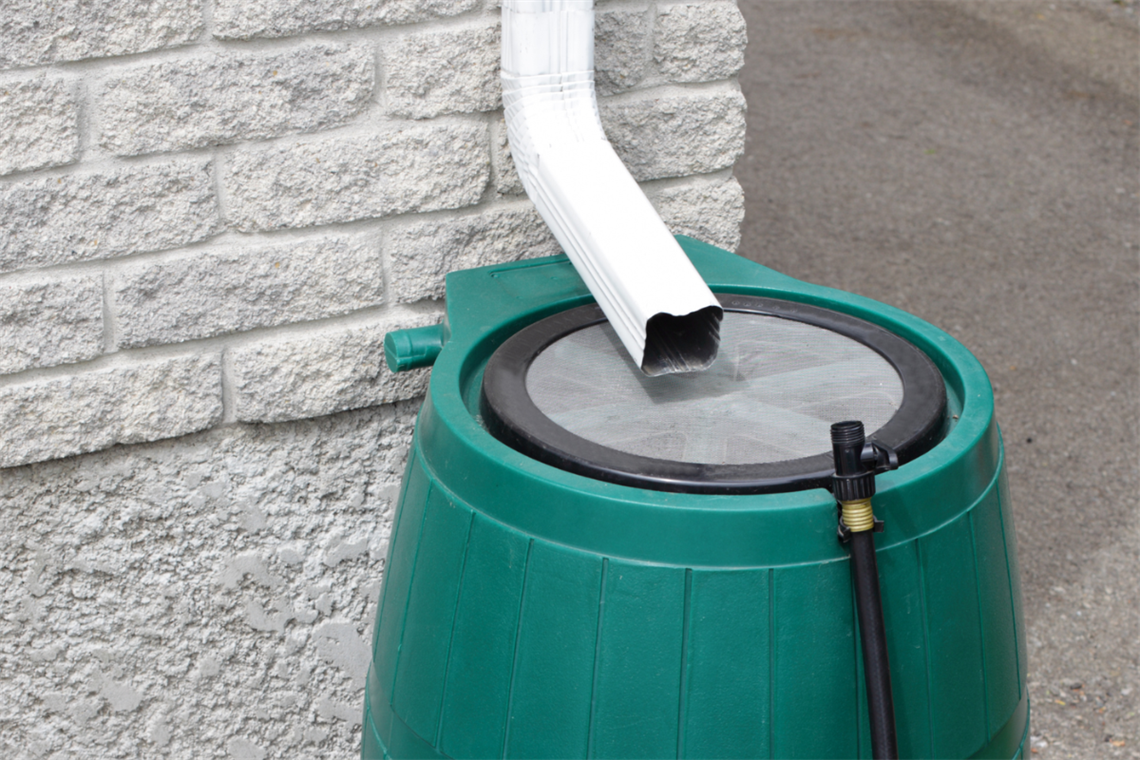
Rainwater Harvesting 101 | March 28 at 9 a.m.
The Woodlands Emergency Training Center, 16135 Interstate 45 S
Join the FREE Rainwater Harvesting 101 class led by Mike Mendeck, Montgomery County Master Gardener. Learn the importance and benefits of rainwater harvesting, how a basic system works, and how much water can be saved. Attendees can win a free rain barrel. Registration required.
Adventure Activity
DIY Duck Calls
Learn how to create a simple duck call. Then listen to recordings of the different sounds ducks make. Can you imitate any of them?
Here’s how Science Bob Makes a Simple Duck Call:
You will need
One plastic straw from your kitchen or local fast food restaurant
Scissors
What to do
1. Use your fingers to press on one end of the straw to flatten it—the flatter the better.
2. Cut the flattened end of the straw into a point (see below).

3. Flatten it out again real good.
4. Now take a deep breath, put the pointed end of the straw in your mouth and blow hard into the straw. If all goes well you should hear a somewhat silly sound coming from the straw. The smaller you are, the harder it may be to get a good sound—sometimes adults can get more of a sound thanks to their bigger lungs. If you still have trouble, try flattening it out some more or cutting the straw in half.
5. Don’t stop there—try cutting the straw different sizes to see how the sound changes, or make another identical straw and add the pointed end of the new straw to the uncut end of the first straw (to make the first straw longer). The sound will be very different (more like a moose call), and you will have to blow even harder. But give it a try.

How does it work?
Is this science? It sure is. You see, all sounds come from vibrations. That little triangle that you cut in the straw forced the two pieces of the point to VIBRATE very fast against each other when you blew through the straw. Those vibrations from your breath going through the straw created that strange duck-like sound you heard.
MAKE IT AN EXPERIMENT
The project above is a DEMONSTRATION. To make it a true experiment, you can try to answer these questions:
1. Which size straw-call sounds the most like a duck?
2. Which length of straw is the easiest to get a sound? Which is the hardest?
3. Does the diameter of the straw affect the sound it produces?
This newsletter provides information about the local ecosystem and resources to help families spend more time outside in nature in and around The Woodlands, Texas.
Have a recommendation for us to include in a future issue? Reply to this email and let us know!