
Spring officially tips into motion this week with the spring equinox, when day and night briefly stand in perfect balance. Across The Woodlands, longer days are quietly waking the landscape with tiny wildflowers appearing along trails, forest edges, and even our roadsides. Many of those roadside blooms are part of a decades-long Texas tradition shaped by Lady Bird Johnson’s vision for protecting natural beauty. This week’s Nature Note explores that story and invites you to slow down and notice the first flowers of the season.
See you out on the trail.
P.S. We found a great new book for families who like to forage and experiment with natural art making. Check it out in our bookshop.

Nature Note
Wildflowers, the Spring Equinox, and Why Texas Roadsides Bloom
Around March 20 each year, something special happens in The Woodlands. The spring equinox arrives, bringing nearly equal hours of daylight and darkness. After this point, daylight begins winning—minutes at a time—and that extra sunlight helps trigger one of East Texas’s quiet seasonal spectacles: wildflowers.
Across The Woodlands, small patches of color have already begun appearing along trails, forest edges, and—perhaps most famously—along Texas roadsides. What many people don’t realize is that those roadside wildflowers didn’t happen by accident.
They’re the result of one of the most successful conservation efforts in the country.
The Moment Spring Tips Toward Light
The spring equinox marks the official start of astronomical spring in the Northern Hemisphere. For plants, this shift matters. As daylight lengthens and soil temperatures slowly warm, many native wildflowers that germinated months earlier begin growing rapidly and preparing to bloom.
Many Texas wildflowers actually start their life cycle in fall. Seeds germinate during cooler weather, grow low to the ground through winter, and then burst upward in spring when the days get longer.
That’s why the first blooms often appear right around the equinox.
The Texas Roadside Wildflower Story
If you’ve ever driven through Texas in spring and seen fields of blue, red, and pink along highways, you’re seeing the legacy of a national beautification movement led by Lady Bird Johnson.
In the 1960s, many American highways were becoming cluttered with billboards and stripped of native vegetation. As First Lady, Johnson championed a movement to restore natural beauty to the nation’s roadways.
Her advocacy helped pass the landmark Highway Beautification Act, which limited billboards and encouraged planting native flowers and grasses along highways.
Texas embraced the idea enthusiastically.
The Texas Department of Transportation began adjusting its mowing practices, allowing native flowers to grow and reseed naturally. Instead of clearing roadsides repeatedly, they mow strategically so wildflowers can bloom in spring and set seed before being cut.
Today, Texas manages more than 800,000 acres of highway right-of-way, making it one of the largest roadside wildflower programs in the world.
That’s why spring drives across the state often look like rolling meadows.
A Living Legacy in Texas Ecology
Johnson’s passion for native plants didn’t stop when she left the White House. She later helped create the Lady Bird Johnson Wildflower Center in Austin, which remains one of the nation’s leading research centers for native plants and ecological restoration.
Their work continues to influence how cities, parks, and homeowners across Texas think about native landscapes.
The wildflowers blooming along our roads today are part of that legacy.
Wildflowers You Might Spot Around The Woodlands
Because The Woodlands sits between prairie and pine-forest ecosystems, our local wildflower mix is especially diverse. Early spring blooms you might see include the following six wildflowers:
Texas bluebonnet, the iconic state flower often appears along sunny roadsides and open fields in March and April.
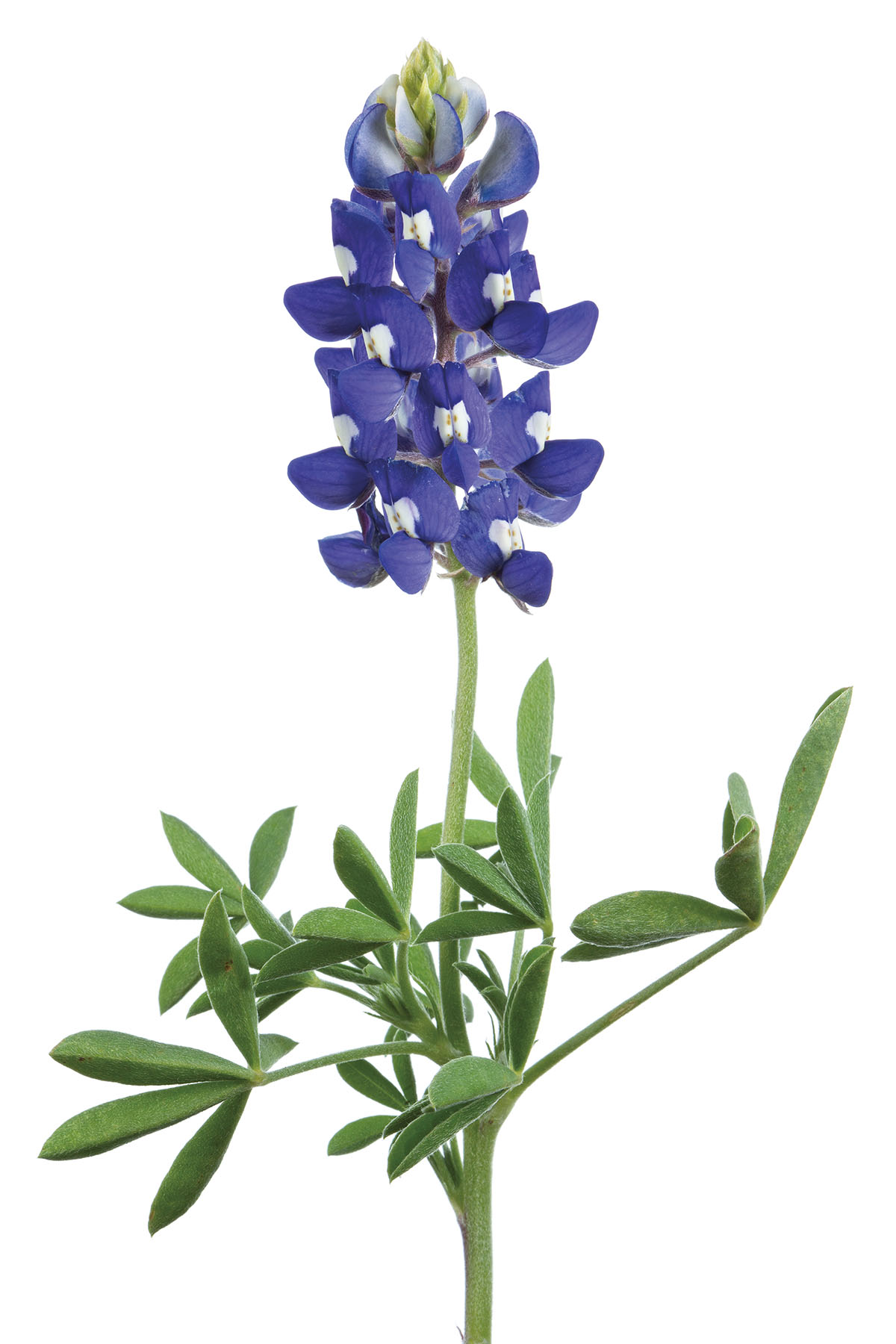
Pink evening primrose are soft pink flowers that thrive in disturbed soils.
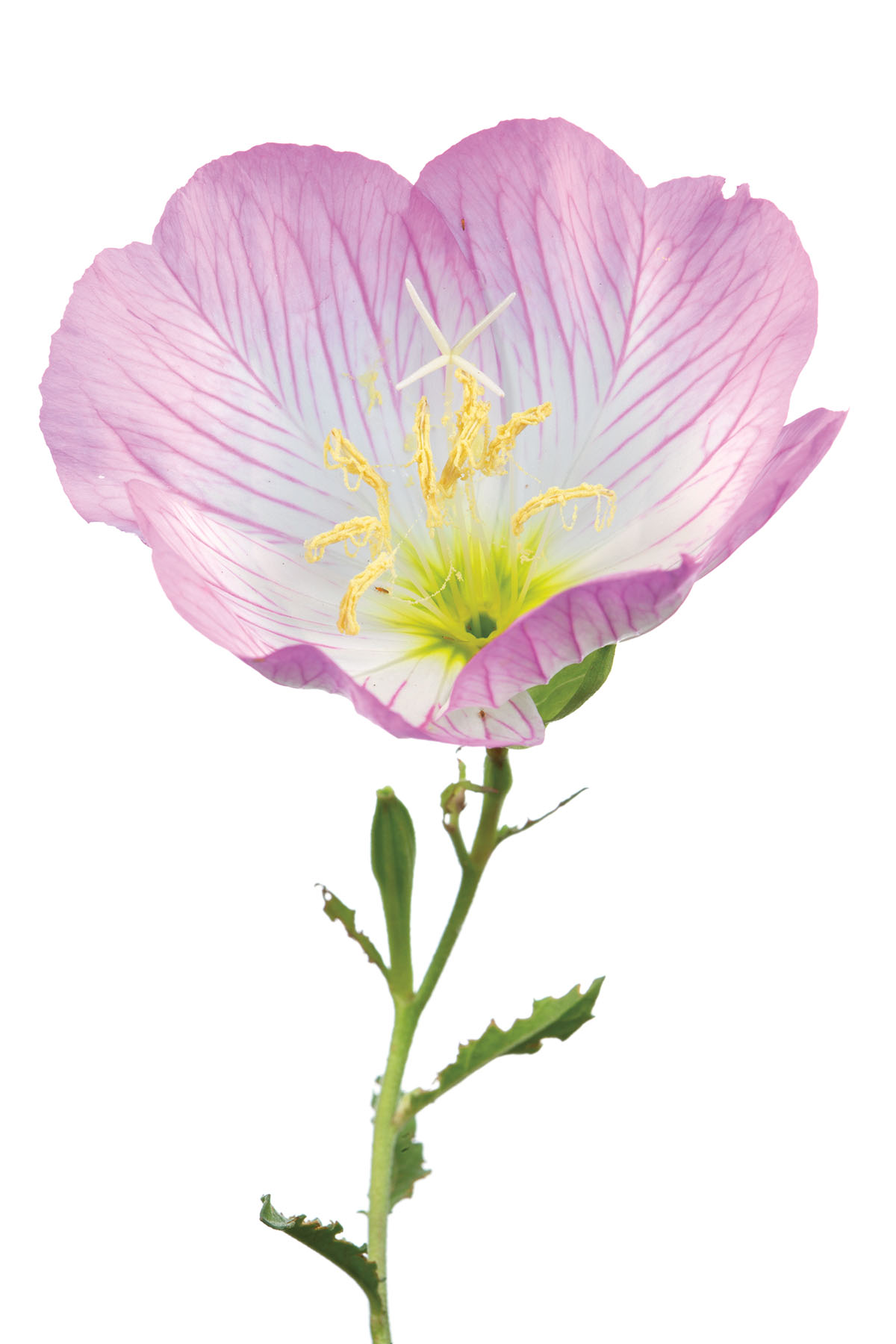
Indian blanket, also called firewheel, blooms in a brilliant combination of red, orange, and yellow.
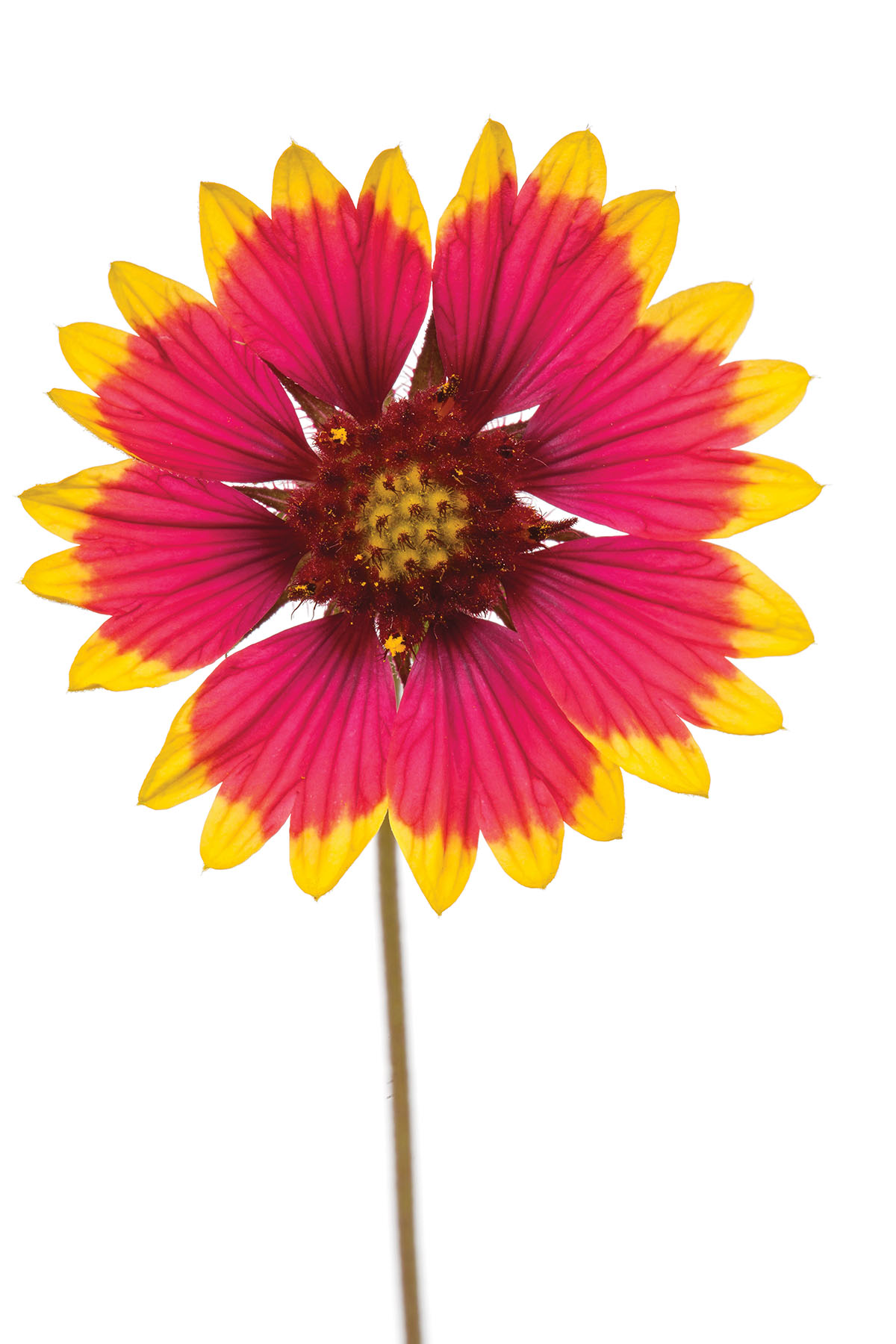
Indian paintbrush are brilliant red-orange spikes that frequently grow alongside bluebonnets.
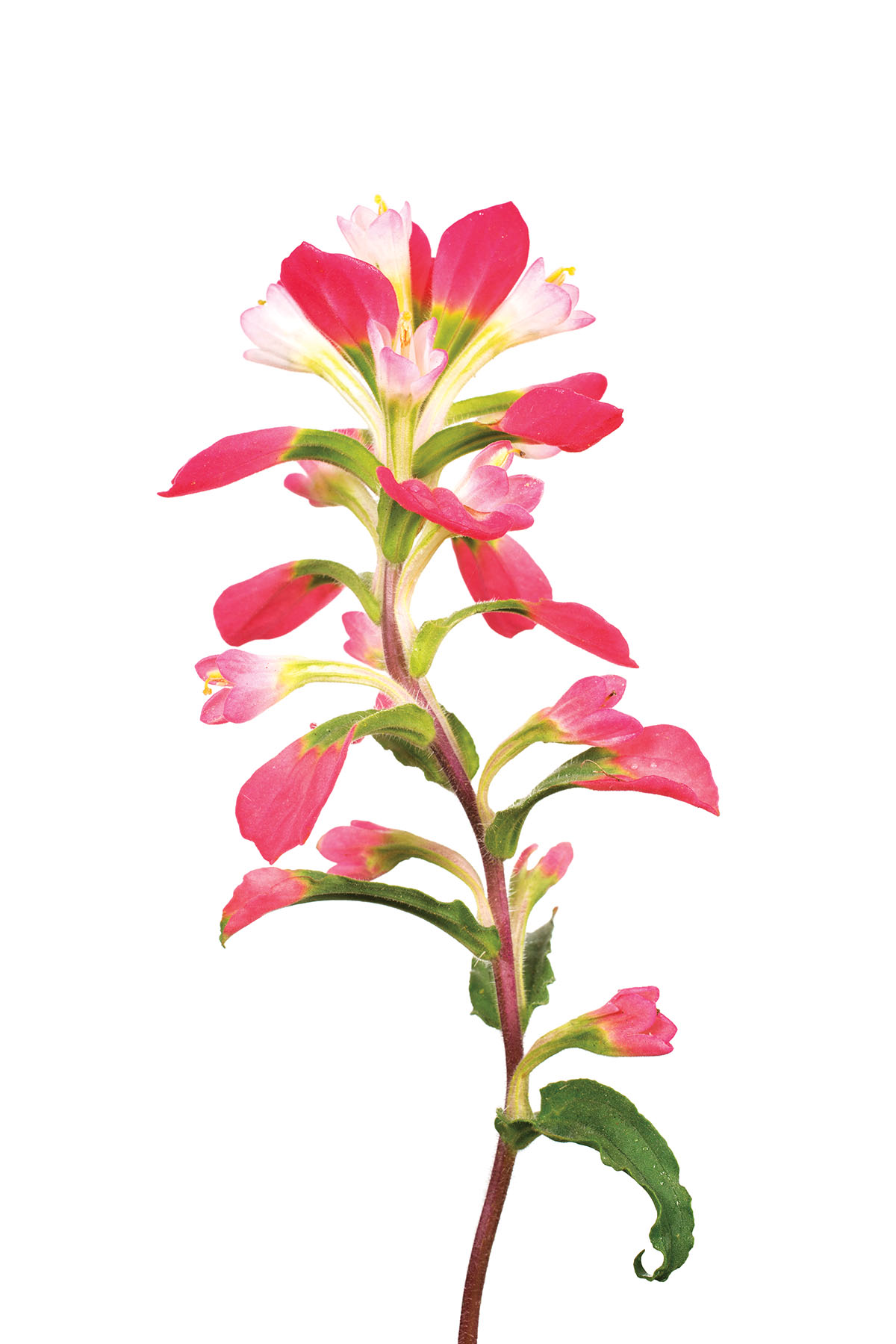
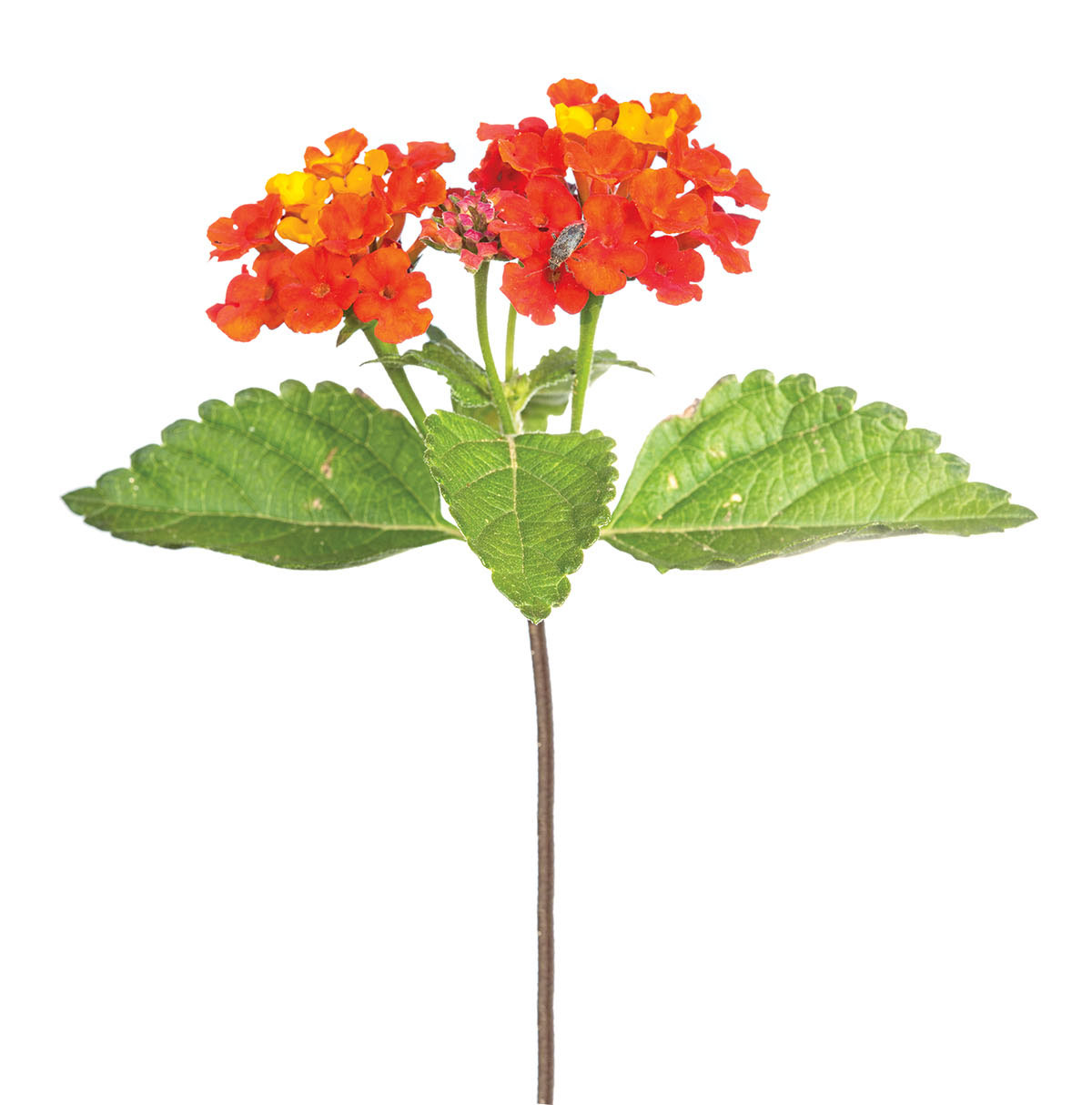
Texas lantana blooms April to October in East Texas. Blooms are tight clusters of yellow, orange, and red flowers.
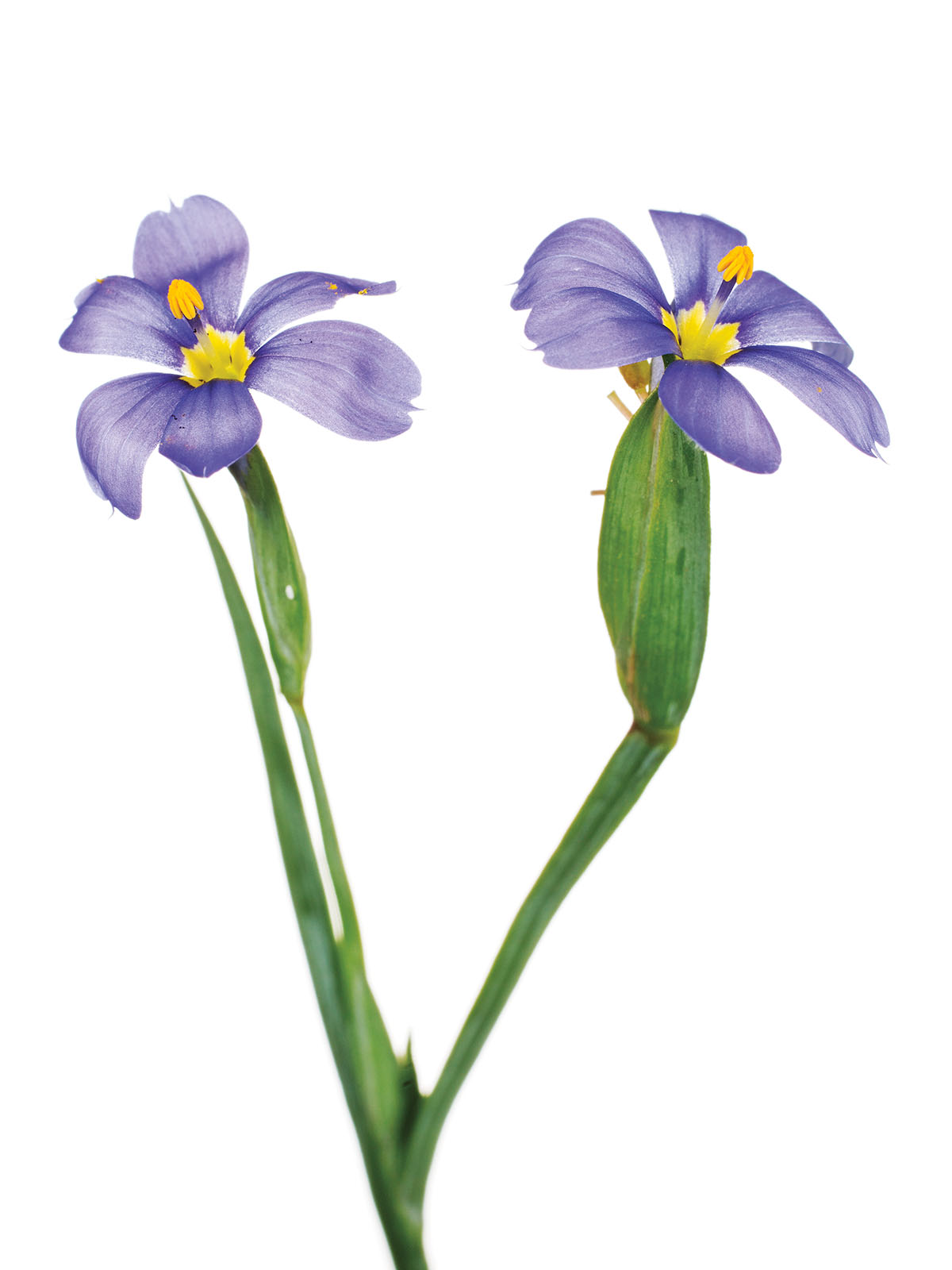
Blue-eyed grass blooms March through May, with blue-to-purple blooms and grasslike leaves. It’s common in sandy forests of East Texas and on prairies of the Texas Gulf Coast.
Even small patches of sunlight along trails can host surprising bursts of color.
Where to Look in The Woodlands
Wildflowers here often grow in places that receive a bit more sunlight than the surrounding forest. Look for them in the following five spots:
along trail edges;
near creek crossings;
in park meadows;
along roadsides and drainage corridors; and
at the edges of sports fields or utility clearings.
Because The Woodlands preserves large green corridors, many of these small habitats support native plants that might otherwise disappear in urban areas.

Wildflower Facts to Share with Kids 🌼
Wildflowers feed pollinators. Early blooms provide nectar for bees and butterflies coming out of winter.
Texas has hundreds of native wildflower species. Many thrive in the sandy soils of East Texas.
Roadside flowers reseed themselves. When mowing is delayed, plants can drop seeds that create next year’s blooms.
The best displays often follow rain. Moisture helps seeds germinate.
Park Pocket
Bluff Creek Park
Bluff Creek Park feels a little wilder than many neighborhood parks in The Woodlands. Tucked beneath tall pines and hardwoods, the park features a shaded playground and open green space, but its most interesting feature is Bluff Creek itself, a small, winding waterway that quietly shapes the landscape. After spring rains, the creek and surrounding woods become lively with birds, frogs, and insects, making it a great place for kids to explore and observe nature. It’s the kind of park where a short visit can easily turn into an unplanned nature walk along the creek’s edge.


Location: 1 Bluff Creek Pl., The Woodlands, TX 77382 (View Map)
Community Corner
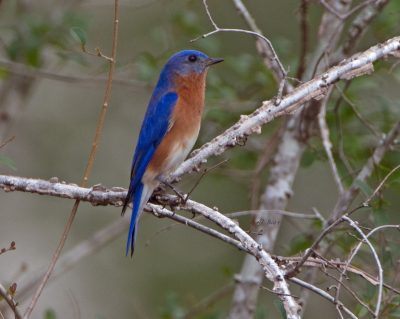
Birding Hike | March 21 at 9:30 a.m.
Spring Creek Greenway Nature Center, 1300 Riley Fuzzel Road
Join a resident aviculturist for a birding hike around the Spring Creek Greenway Nature Preserve!
Suitable for the whole family. Don’t forget your binoculars!

Art in the Woods Outdoor Market | March 21 at 10 a.m.
25200 Grogans Park Dr, Spring, TX 77380
"Art in The Woods" is an outdoor art market featuring the works of 20+ local artists in collaboration with Ardest Gallery!!
Adventure Activity
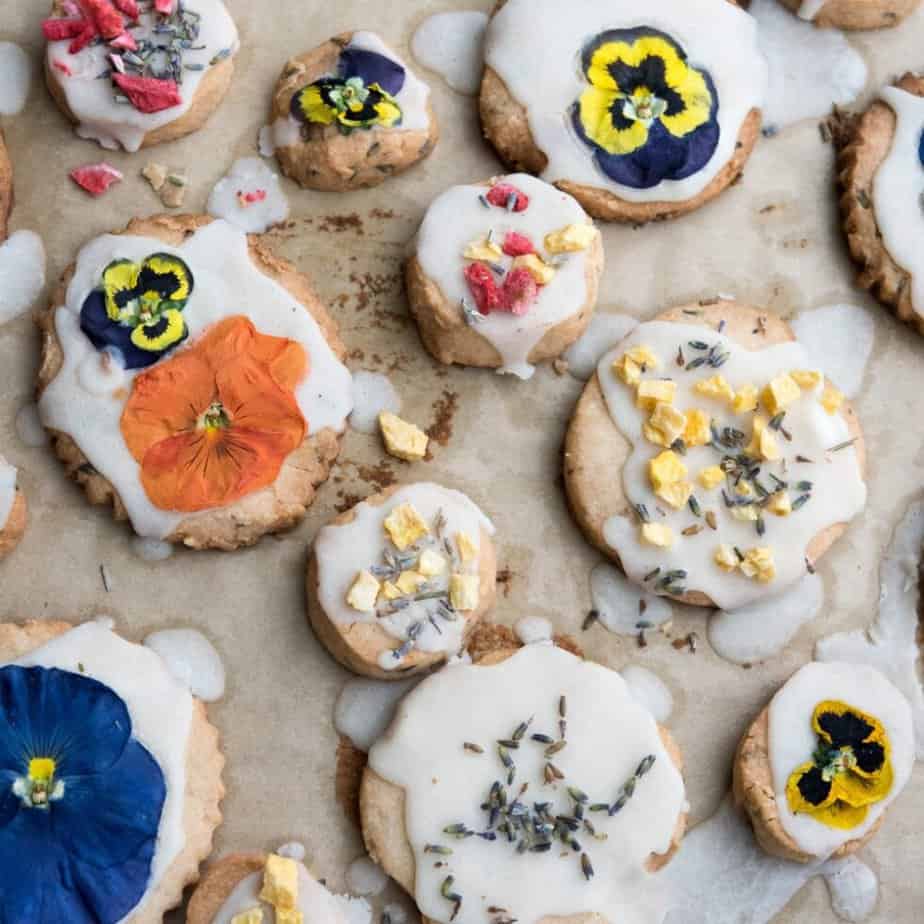
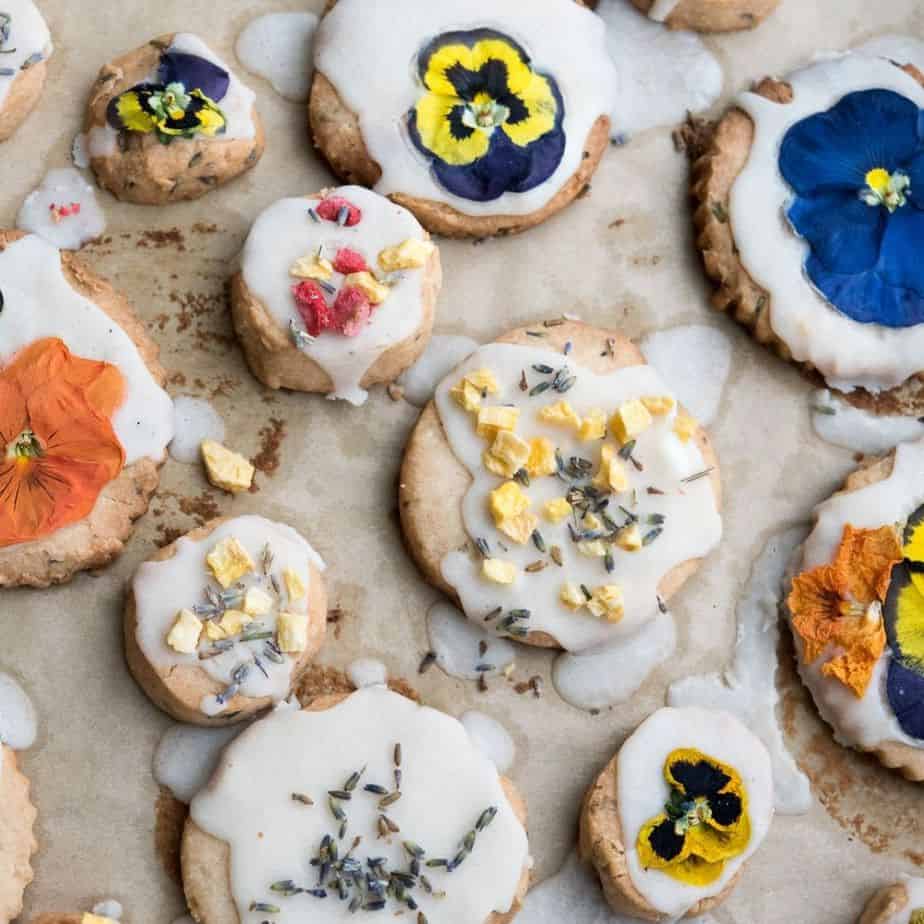
Make Lavender Shortbread Decorated with Edible Flowers
Try this seasonal recipe, courtesy of Michele over at Thriving Autoimmune.

Instructions
Mix the coconut flour, arrowroot flour, sea salt, and lavender in a medium bowl.
In a large bowl with a hand or stand mixer, cream together the palm shortening and honey.
Add the dry ingredients to the shortening mixture and mix until the pieces start to come together into a big ball.
Pour the mixture out onto a piece of plastic wrap and shape into a log shape. Wrap with the plastic wrap.
Refrigerate for at least 30 minutes or freeze for up to three months.
Preheat the oven to 300°F.
Remove the log from the fridge, unwrap from plastic, and cut into ¼-inch slices. Put the slices on a baking sheet covered in parchment paper. (Alternatively, you can pat the dough out flat and use a cookie cutter to cut shapes out. Add a few minutes of cook time if the cookies are super soft after 15 minutes.)
Bake for 15 minutes or until starting to turn golden brown.
Let sit for at least 10 minutes to cool before moving from sheet.
Meanwhile, melt the glaze ingredients together in a small pan over medium heat. Stir to mix.
Using a spoon, pour the glaze on the cookies and then sprinkle optional desired toppings on the cookies.
This newsletter provides information about the local ecosystem and resources to help families spend more time outside in nature in and around The Woodlands, Texas.
Have a recommendation for us to include in a future issue? Reply to this email and let us know!